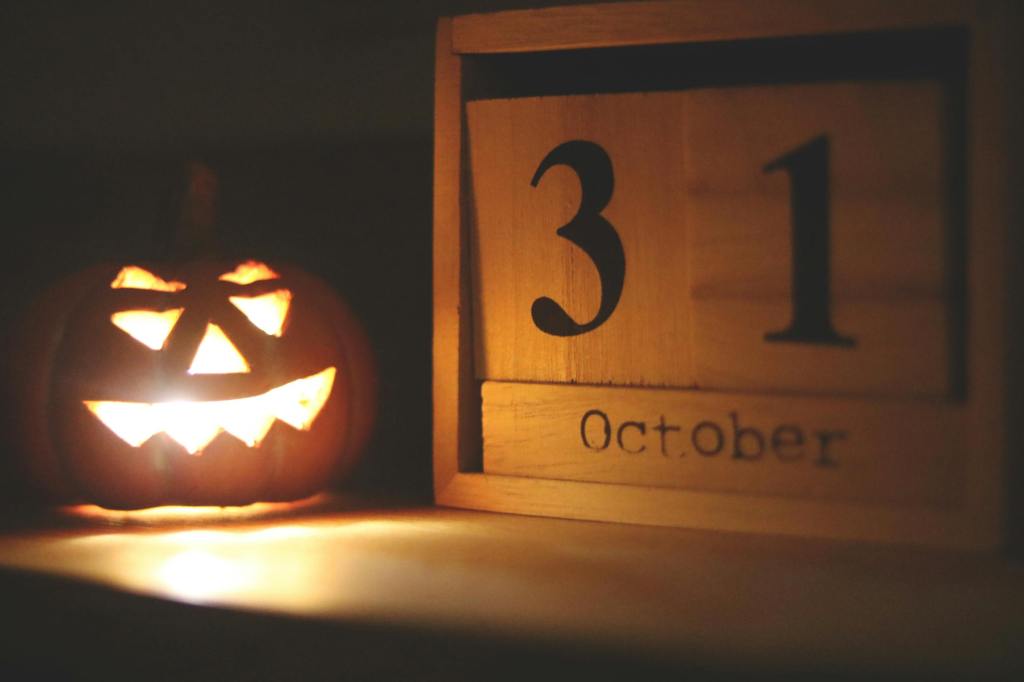
October 31st is famously known as Halloween, a day full of spooky celebration to listen to Halloween songs such as “Monster Mash”, watching scary movies like Friday the 13th, or dressing up in costumes.
I loved trick or treating when I was younger! I still remember my brother and I making the journey every year to the same house that gave out a whole can of pop!
The origins of Halloween may date back a lot longer than people realize. Through time it’s transformed from its ancient origins to now dressing up in pop-culture costumes; however, learning how this spooky holiday came to be is fascinating and might bring you a deeper appreciation for it!
- Meaning Behind Samhain
- “Bone”-fires
- Harmful Spirits
- Jack-o-Lanterns and Stingy Jack
- Christianity’s Influence
- Irish Immigration to America
- Modern Halloween
ORIGINS OF HALLOWEEN
Meaning Behind Samhain
The Halloween we know in modern times has changed a lot throughout the course of human history. It first started out as a Celtic pagan festival known as Samhain, a Gaelic word pronounced as “SOW-win”. It’s translated in modern Irish as “summer end”.
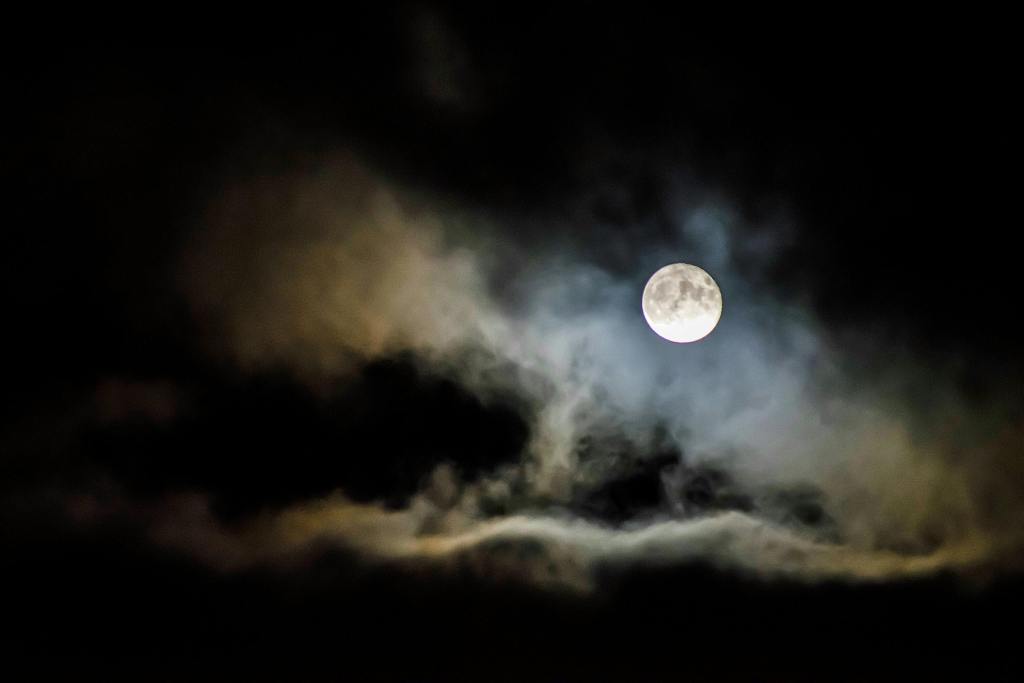
Samhain was celebrated for three days and three nights between the autumn equinox and the winter solstice, starting at dusk around October 31st-Nov 1st. The ancient Celts, composed of communities in Scotland, Ireland, and Wales, believed the year was divided into two halves – the light half of the year (starting May 1st) and the dark half of the year (starting Nov. 1st). The Samhain festival celebrates the end of harvest and the Celtic year and ushers in the Celtic New Year, the dark half of the year.
“Bone-fires”
At the start of the Samhain festival, all fires were extinguished including family hearths – to symbolize the end of the year. To signify the start of the “Celtic New Year” Druids, ancient Celtic priests, would then light a giant community fire, known as a “bone-fire”, where bones of animal sacrifices would be tossed within.
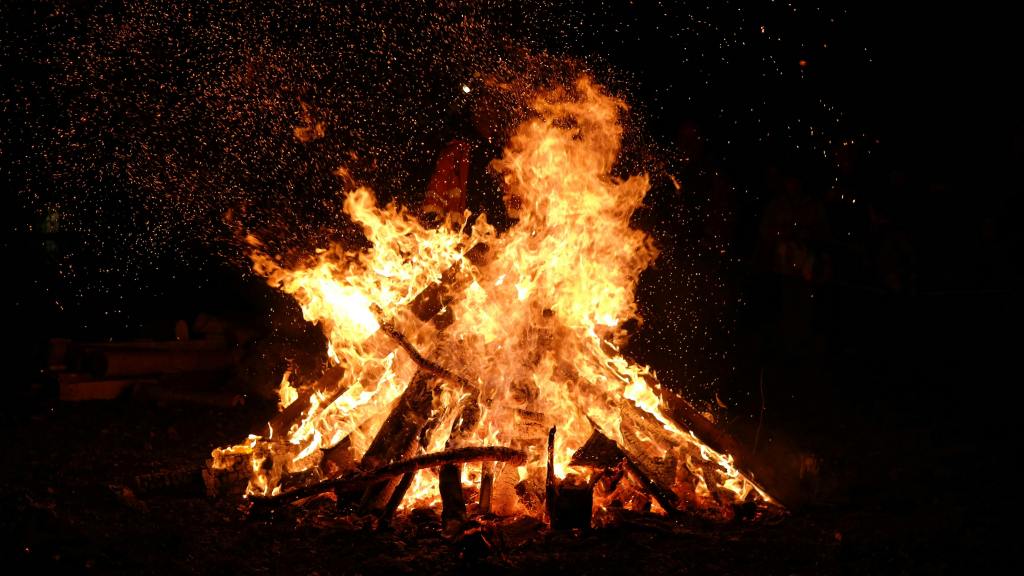
This “bone-fire” would later become bonfires as we know them in modern times. People would light their own torches from the “bone-fire” and use the flames to relight their family hearths – to bring in the new year and to ward off evil spirits.
Harmful Spirits
It’s believed that during Samhain, the boundary between the human and spirit realms is thin, allowing for accessible interaction – humans talking to deceased ancestors and spirits crossing into the human realm!
While family ancestors were honored and lovingly invited into homes, harmful spirits would wander around causing mischief, such as playing tricks or kidnapping humans. By wearing masks and costumes as a disguise, human could protect themselves from harmful spirits.
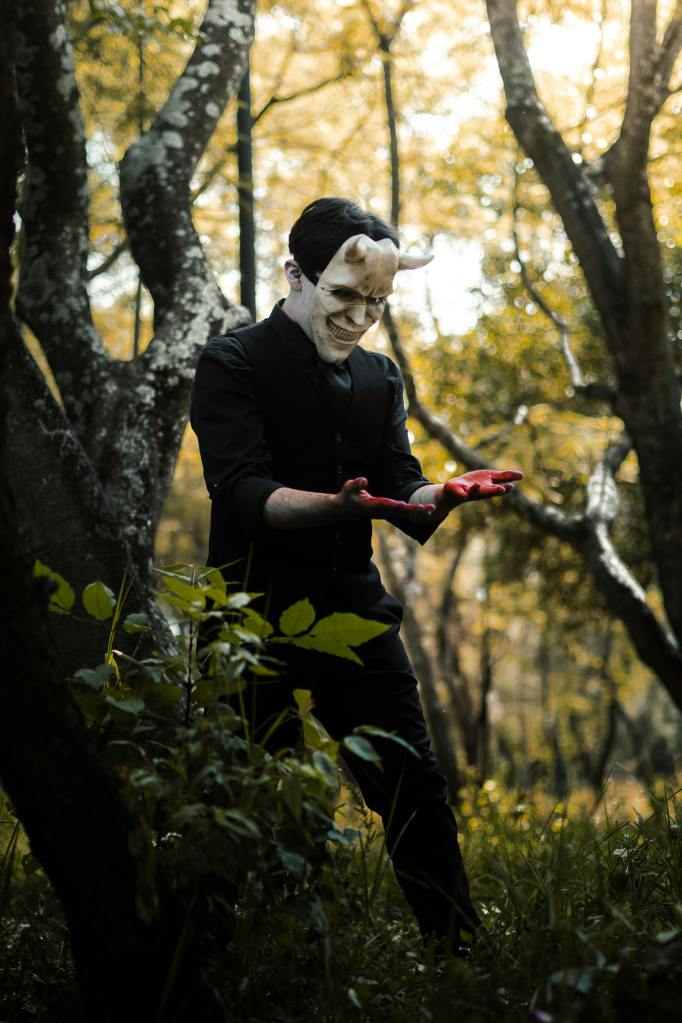
People would also impersonate harmful spirits and go to homes accepting offerings such as soul cakes, in order to be “appeased” and not play tricks – this is likely where the concept of “trick-or-treating” came from.
Food offerings was a common tradition among Celtic culture during Samhain. People would leave food outside of villages and fields to appease spirits and fairies, Aos Si, to protect themselves and their livestock through the long winter ahead.
Some of the spirits known in ancient Celtic culture that would haunt people during Samhain are as follows:
- Pukah, a shapeshifter that comes for harvest offerings
- Sluagh, an entity that enters houses and steals souls
- Lady Gwyn, a headless woman wearing white that’s accompanied by a black pig
Jack-o-Lanterns
“Stingy Jack” was a popular myth during this time. The story is about a man who would often play tricks upon the Devil. At the time of his death, the man was denied entry into Heaven and Hell due to his mischievous behavior, and given a burning coal by the Devil.
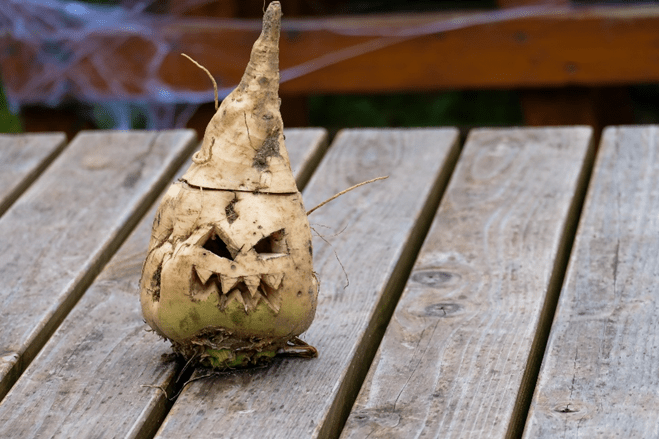
With nowhere to go, Stingy Jack carved a lantern out of a turnip and placing his burning coal inside to light his way as he aimlessly wandered the world for eternity.
This myth could explain the tradition of carving scary faces into turnips and potatoes into jack-o-lanterns in order to scare off “Stingy Jack” and other harmful spirits.
Christianity’s Influence
Around the 5th century, Christianity was spreading throughout Ireland and Scotland, gaining authority in communities. As an attempt to convert Samhain into a Christian celebrated event, the Church moved the festival to May 13th and renamed it as All Saint’s Day, a day to celebrate Christian saints and martyrs.
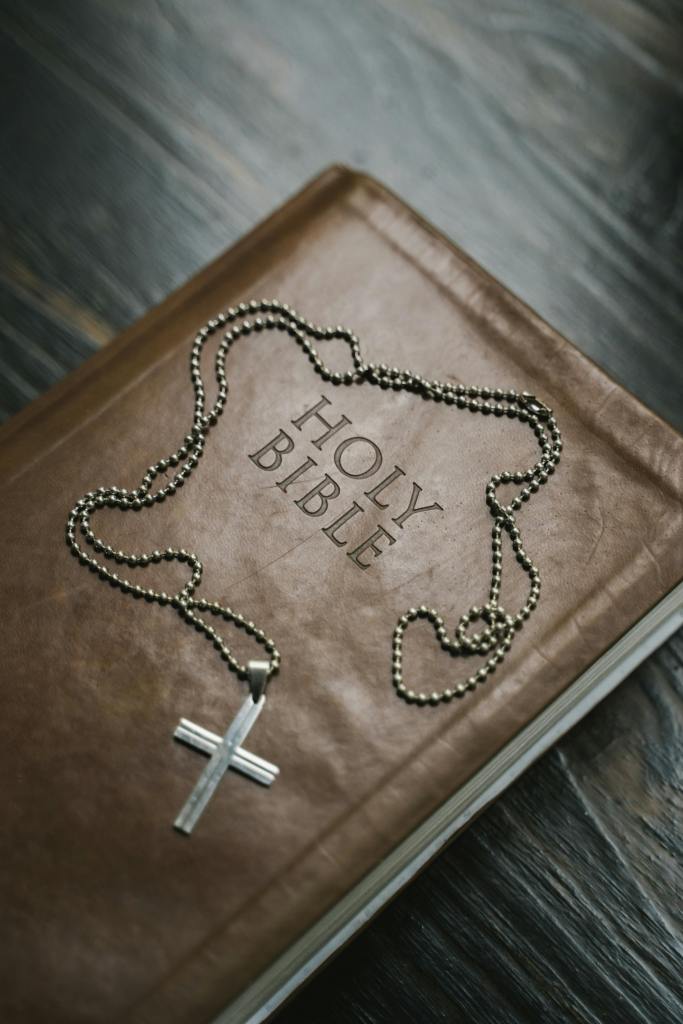
The Celts; however, didn’t stop celebrating Samhain when October 31st rolled around. By the 9th century, Pope Gregory moved All Saints Day to Nov 1st, to coincide with the Samhain festival, and declared Nov 2nd to become All Soul’s Day. October 31st would be named as All Hallows Eve, which modernized into Halloween.
Irish Immigration to America
When the Potato Famine hit Ireland in the 1840s, it forced an influx of Irish to emigrate over to America and with them they brought over their way of life and traditions, including, Samhain.
Although the festival wasn’t celebrated quite the same, traditions such as carving jack-o-lanterns, and dressing up in costumes and masks had evolved. Instead of carving jack-o-lanterns from turnips and potatoes, pumpkins were used due to their abundance and being easier to carve.
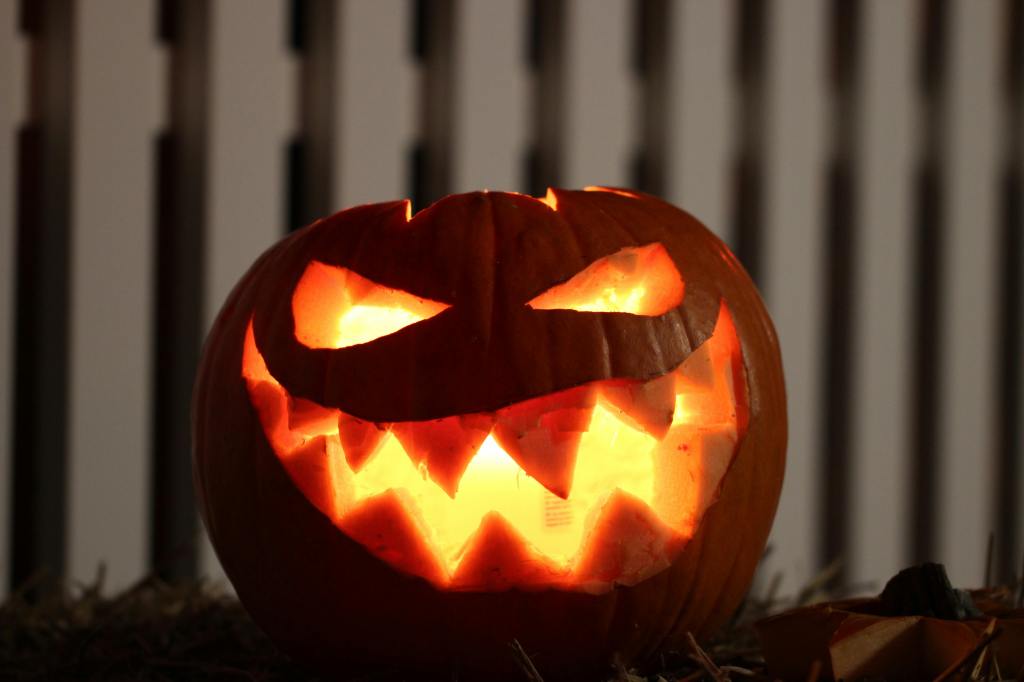
Disguising yourself as fairies and harmful spirits was no longer necessary, instead kids dressed up in costumes to go door to door to receive candy – thus, trick-or-treating became a popular event in America.
Modern Halloween
Today, Halloween is considered to be one of the most popular holidays in the United States, right after Christmas. During the month of October, you’ll hear Halloween music playing on the radio or drive past houses decorated with spooky skeletons and scary jack-o-lanterns!
On Halloween, you can expect to see kids dressed up in all sorts of costumes, ranging from popular superheroes to iconic cartoon characters, going door to door and trick-or-treating in hopes of Kit Kats, Hershey bars, and all sorts of sugary delights!
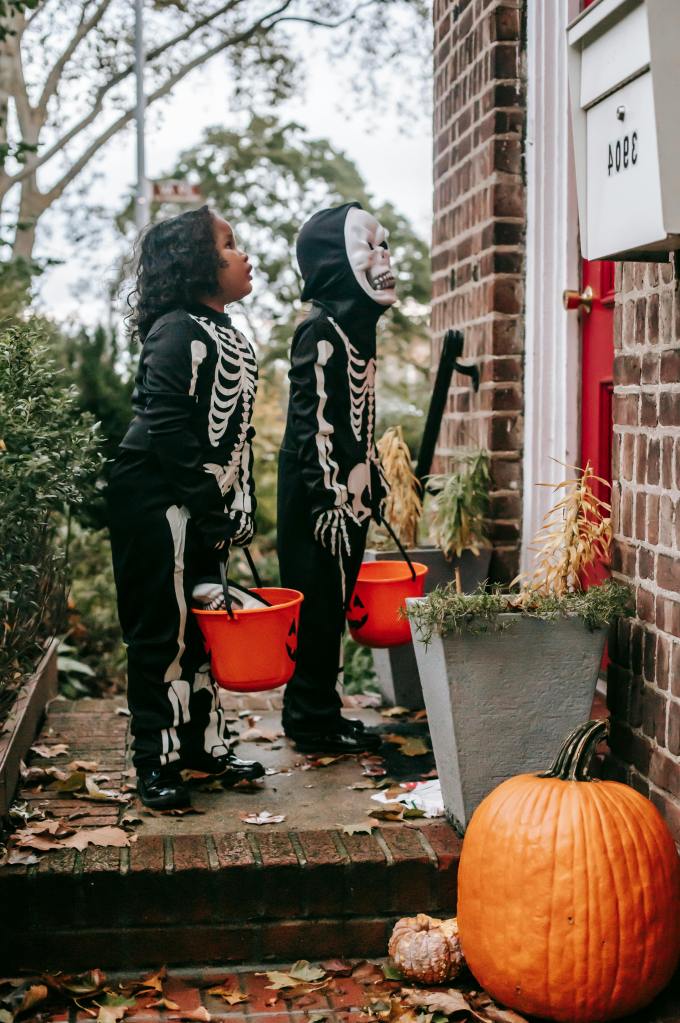
Haunted houses, hayrides, and pumpkin carving are all common activities people participate in around Halloween. Check out your local area to see what fall activities you can attend!
The Samhain festival has even been revived and is still celebrated today by modern pagans, Wiccans, and others who want to participate. Traditions such as bonfires, dancing to music, feasting, and leaving food offerings for the dead are still being conducted at the festival!
Final Thoughts…
From giant bone-fires and disguising oneself from harmful spirits to now dressing up as Scooby Doo and munching on a Hershey chocolate bar, the Samhain festival has evolved into the beloved Halloween we all know it as now.
It’s fascinating learning about the ancient roots of Halloween and now knowing about its history, it makes me fall in love with this spooky holiday even more.
However you decide to celebrate Halloween, I hope you have fun and stay safe! You never know when a spirit will jump out and give you a good scare! Happy Halloween!
-Jessica Mohan
Works Cited:
https://www.worldhistory.org/Samhain/
https://westportlibrary.libguides.com/Samhain
https://seawitchbotanicals.com/blogs/swb/what-is-samhain-the-history-of-the-pagan-celebration


 The Emerald Butterfly
Leave a comment